Study Overview
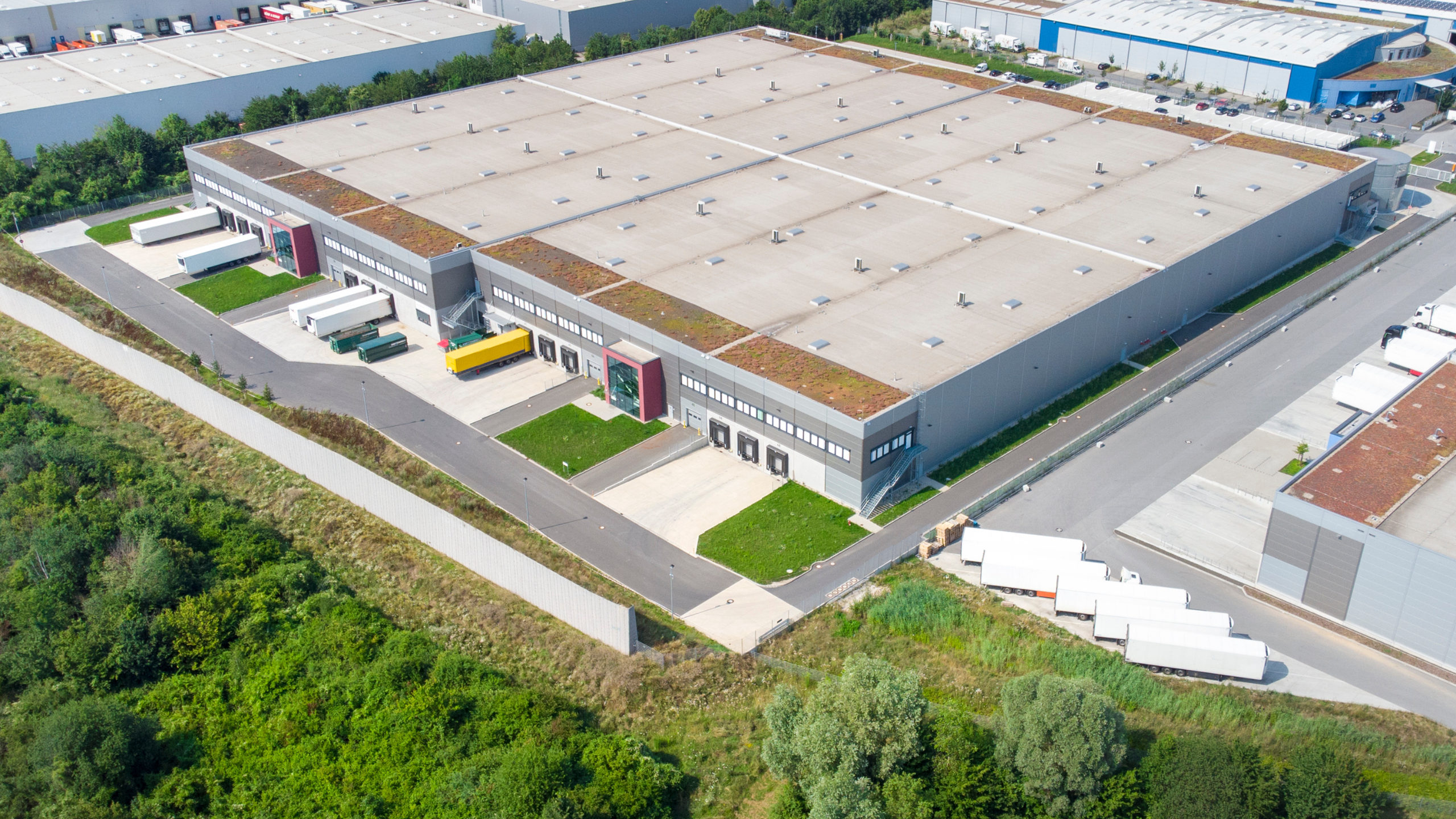
This case study examines a manufacturing facility acquired in November 2025 for $3,272,776 and applied in the 2025 tax year. By also leveraging 100% bonus depreciation, the cost segregation study reclassified eligible building components into shorter recovery periods, maximizing upfront tax savings resulting in $317,452 in savings.
|
Property Type |
Manufacturing |
|
First-Year Tax Savings |
$317,452 |
|
Date Placed In-Service |
Nov. 2025 |
|
Tax year study applied |
2025 |
|
Bonus depreciation |
100% |
|
Purchase price(less land) |
$1,910,000 |
|
Accelerated Method |
$868,413 |
|
Straight-Line Method |
$10,506 |
|
Increased Deduction |
$857,977 |
|
Tax Rate |
37% |
Project Overview
A manufacturing facility owner completed a CSSI cost segregation study, identifying assets eligible for accelerated depreciation. Through a detailed engineering analysis, a significant portion of building costs were reclassified from a 39-year depreciation schedule to much shorter recovery periods, putting money back in the owner’s pocket sooner.
Study Results
The detailed engineering analysis successfully reclassified 27% of the total building costs into accelerated depreciation categories:
*Also refer to “Building Allocation After Study” Graph Below
Key Reclassified Assets
5-Year Property ($130,911) included:
- Computers, servers, and data-processing peripherals
- Security, fire-detection, and access-control systems not integral to the building’s structure
- Non-structural, removable items (specialty decorative elements, certain movable partitions)
- Certain automated process-control systems, PLCs, and robotics controllers tied to specific equipment
15-Year Land Improvements ($752,738) included:
- Paved parking lots, driveways, and access roads
- Sidewalks, curbs, and loading dock aprons/truck courts
- Fencing, security gates, and perimeter barriers
- Landscaping and irrigation systems
- Exterior/site lighting and light poles
- Storm drainage systems, retention ponds, and underground utility lines outside the building footprint
Building Allocation After Study
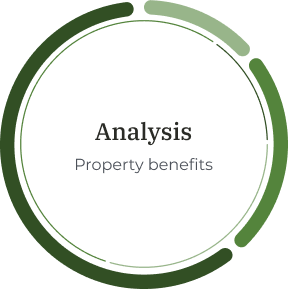
5-Year
$130,911 Re-allocated
15-Year
$752,738 Re-allocated
39-Year
$2,421,854 Re-allocated
Financial Impact
By accelerating depreciation on $3.27-million of the property’s cost basis, the study generated substantial first-year tax deductions and meaningfully improved cash flow. Through the identification of personal property and land improvements, the owner was able to take advantage of:
- Bonus depreciation eligibility on qualifying assets
- Accelerated depreciation schedules on shorter-life property
- Enhanced cash flow through reduced tax liability
- Proper cost basis documentation for future disposition analysis
Building Systems Documentation
The study also included thorough documentation of the property’s building systems, a valuable resource for making informed capitalize-vs.-expense decisions in line with IRS Tangible Property Regulations. This documentation gives property owners:
- Current replacement cost benchmarks for each building system
- Detailed asset inventories by depreciable life
- Support for partial disposition elections on future improvements
- Compliance with IRC Section 1.263(a)-3 requirements
Compliance & Methodology
The study was conducted in full accordance with:
- IRS Revenue Procedure 87-56 asset classification guidelines
- Modified Accelerated Cost Recovery System (MACRS) regulations
- IRC Section 168 property classification standards
- Tangible Property Final Regulations (Treasury Decision 9636)
All asset classifications were supported by site inspection, architectural plans, construction documentation, and established engineering cost analysis standards designed to withstand IRS scrutiny.
Why This Matters
This case study illustrates how manufacturing owners can unlock meaningful tax savings through a properly executed cost segregation study. By identifying and reclassifying nearly $3.27-million in assets eligible for accelerated depreciation, the property owner captured significant first-year tax benefits, all while remaining fully compliant with IRS guidelines.
Ready to discover your property’s tax savings potential? Contact CSSI today.