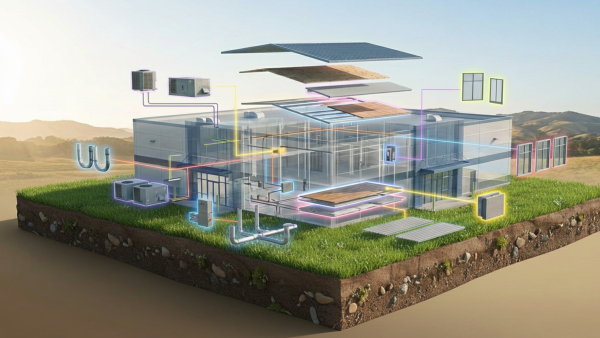
Leasehold improvements can be a significant investment for commercial property tenants and owners. However, many businesses fail to take full advantage of the depreciation life and tax benefits available for these improvements. By strategically planning and categorizing leasehold improvements, businesses can optimize tax savings and enhance cash flow.
What are Leasehold Improvements
Leasehold improvements refer to modifications made to a leased property to meet the specific needs of the tenant. These can include:
- Installing new flooring, lighting, or HVAC systems
- Adding partitions, walls, or ceilings
- Upgrading plumbing or electrical systems
- Enhancing security or accessibility features
Because these improvements often involve substantial costs, it is crucial to understand how they are treated for tax purposes and how to maximize available deductions.
Depreciation and Leasehold Improvements
The IRS categorizes leasehold improvements as property assets that must be depreciated over their assigned depreciation life based on IRS guidelines. However, tax laws, such as the Tax Cuts and Jobs Act (TCJA) and bonus depreciation rules, offer accelerated depreciation options that can provide substantial tax savings. Key considerations include:
Bonus Depreciation
- The TCJA allows for 100% bonus depreciation on qualifying leasehold improvements, meaning businesses can deduct the entire cost in the year the improvement is placed into service from 2018-2022. If you missed applying bonus depreciation, you are able to do this retroactively.
- This benefit is scheduled to phase out by 20% annually, so it’s important to act while full deductions are still available.
Section 179 Deduction
- Businesses may elect to expense up to $1.16 million (as of 2024) in qualifying property improvements under Section 179.
- Eligible improvements include HVAC systems, security systems, fire alarms, and roofing upgrades.
Qualified Improvement Property (QIP)
- The IRS defines QIP as interior, non-structural improvements to nonresidential buildings after they are first placed in service.
- QIP is eligible for 15-year depreciation (instead of 39 years) and qualifies for bonus depreciation and Section 179 Expense.

Strategies to Maximize Tax Savings
Classify Improvements Correctly
- Work with tax professionals to ensure leasehold improvements are classified as QIP or other eligible categories to maximize depreciation benefits.
Leverage Cost Segregation Studies
- A cost segregation study identifies components of leasehold improvements that can be reclassified for accelerated depreciation.
- Items such as lighting, flooring, and specialty equipment may qualify for shorter depreciation life categories (5, 7, or 15 years) instead of 39 years.
Time Improvements Strategically
- Place improvements in service before phase-out deadlines in order to claim bonus depreciation.
- Consider making improvements before year-end to secure current-year deductions.
Negotiate Lease Agreements
- Landlords and tenants should discuss tax responsibility for improvements.
- Tenants should ensure lease terms allow for tax-efficient investments, such as specifying that improvements remain on their property.
Utilize Energy-Efficient Tax Incentives
- The Section 179D deduction provides tax benefits for energy-efficient HVAC, lighting, and building envelope upgrades.
- Consider state and local incentives for sustainability-focused improvements.
Leasehold Improvements vs. Repairs vs. Maintenance
Although these terms are often used interchangeably, they receive different tax treatment under IRS guidelines.
Leasehold improvements are permanent modifications that enhance the value or functionality of a leased commercial property. These costs are generally capitalized and depreciated over time.
Repairs restore an asset to its original condition without significantly extending its useful life. In many cases, repair expenses may be deductible in the year they are incurred.
Maintenance includes routine activities that keep a property operating efficiently, such as servicing HVAC systems or repainting existing walls. These costs are typically considered operating expenses.
Understanding the distinction between improvements, repairs, and maintenance helps businesses avoid costly classification errors and maximize available deductions.
Common Leasehold Improvements That May Qualify for Accelerated Depreciation (Or add to the existing list under What are Leasehold Improvements)
Many interior improvements may be eligible for accelerated depreciation when properly classified. Examples include:
- Suspended ceilings
- Decorative lighting
- Specialty electrical systems
- Reception areas
- Built-in cabinetry
- Millwork
- Break rooms
- Conference rooms
- Data and communication cabling
- Interior signage
Each project is unique, making a detailed cost segregation analysis essential for identifying eligible assets.
Common Mistakes Businesses Make
Businesses often miss valuable tax-saving opportunities because leasehold improvements are not classified correctly. Some of the most common mistakes include:
- Depreciating all improvements over 39 years without reviewing individual assets
- Overlooking Qualified Improvement Property eligibility
- Missing available bonus depreciation opportunities
- Failing to perform a cost segregation study after a major renovation
- Maintaining incomplete construction documentation
- Assuming previously filed tax returns cannot be improved
Reviewing completed projects with qualified professionals can help identify additional depreciation opportunities that may have been overlooked.
Industries That Benefit Most
Leasehold improvement cost segregation is valuable across many industries, particularly those with significant interior build-outs.
Industries that commonly benefit include:
- Medical and dental practices
- Restaurants and food service businesses
- Retail stores
- Hotels and hospitality
- Manufacturing facilities
- Warehouses and distribution centers
- Office buildings
- Veterinary clinics
- Fitness centers
- Financial institutions
Each industry typically includes specialized improvements that may qualify for shorter depreciation lives.
Conclusion
Properly optimizing leasehold improvements can significantly reduce tax liability and improve cash flow. By leveraging bonus depreciation, Section 179, QIP classifications, and cost segregation studies, businesses can maximize their tax benefits. Consulting with tax professionals ensures compliance and enhances savings opportunities.
Taking a strategic approach to leasehold improvements not only enhances the functionality of a commercial space but also results in substantial financial advantages. Contact us at CSSI today to optimize your tax saving strategies.
Frequently Asked Questions
How many years do you depreciate leasehold improvements?
Leasehold improvements are typically depreciated over 15 years for tax purposes or over the shorter of the lease term or the improvement’s useful life for accounting purposes. CSSI helps businesses determine the correct recovery period to maximize depreciation benefits and ensure compliance with tax regulations.
Can you take bonus depreciation on leasehold improvements?
Yes, bonus depreciation can be taken on eligible leasehold improvements made to nonresidential property classified as a Qualified Improvement Property (QIP). These improvements must be owned by the taxpayer and placed in service during the qualifying period.
Are leasehold improvements depreciated or amortized?
Leasehold improvements are usually amortized over the shorter of the lease term or the improvement’s useful life, since they are tied to a leased asset rather than owned property. For tax purposes, qualifying improvements may be treated as depreciable assets under the Qualified Improvement Property (QIP) rules
Are leasehold improvements depreciated?
Yes, leasehold improvements are depreciated because they add long-term value to leased property. These costs are capitalized and written off over time, usually across the shorter of the lease term or the improvement’s useful life. CSSI helps businesses properly classify and depreciate these improvements to maximize available tax benefits.
How long to depreciate leasehold improvements?
Leasehold improvements are typically depreciated over the shorter of the lease term or the improvement’s useful life. If they qualify as Qualified Improvement Property (QIP), they can be depreciated over 15 years. CSSI helps businesses identify and reclassify these improvements to accelerate tax savings.