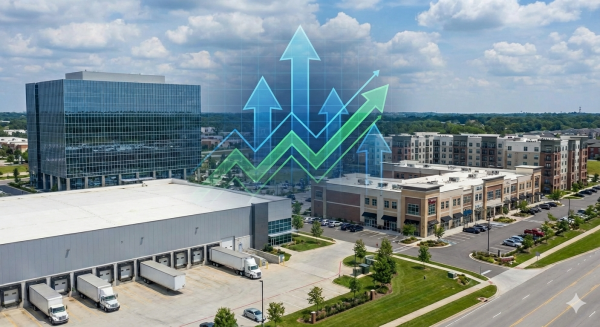
On February 9, 2026, the U.S. House of Representatives passed the Housing for the 21st Century Act by an overwhelming 390-9 vote, marking one of the most significant federal housing policy reforms in over a decade. For commercial property owners, real estate developers, and investors, this legislation signals not just policy change; it represents a potential wave of new construction, renovation, and acquisition activity that could reshape the industry landscape.
As development accelerates and capital flows into housing projects, understanding the tax implications of these investments becomes more critical than ever.
What’s in the Bill?
The Housing for the 21st Century Act is a comprehensive package spanning six titles and 38 provisions, each designed to address different aspects of the housing shortage. Key provisions include:
Streamlined Regulatory Framework
- Reduces duplicative federal environmental reviews under NEPA
- Expedites project approvals for infill development and small-scale construction
- Creates pre-approved housing pattern books to accelerate permitting
Modernized Federal Programs
- Updates the HOME Investment Partnerships Program to reflect current market realities
- Expands Community Development Block Grant (CDBG) eligibility to include new construction
- Raises income eligibility thresholds to address workforce housing needs
Enhanced Financing Tools
- Updates FHA multifamily loan limits to reflect current construction costs
- Expands manufactured housing options by eliminating the permanent chassis requirement
- Strengthens community bank lending capacity for housing projects
Zoning and Planning Incentives
- Directs HUD to develop voluntary best practices for local zoning reform
- Establishes planning grants for regional agencies to update codes
- Encourages density increases and streamlined permitting at the local level
What Happens Next?
The House bill now moves to conference with the Senate’s ROAD to Housing Act, which passed with strong bipartisan support in 2025. While the two bills share common goals; boosting supply, reducing regulatory barriers, and modernizing federal housing programs; they differ in scope and specific provisions.
The Senate version includes additional measures around opportunity zones, innovation funds, and anti-homelessness initiatives. Finding common ground between the chambers will be the next challenge, but with bipartisan momentum in both houses and President Trump’s stated focus on housing affordability, passage appears likely in 2026.
The Impact on Commercial Real Estate
If enacted, this legislation could trigger substantial new investment in multifamily, mixed-use, and affordable housing development nationwide. Industry groups including the National Apartment Association, National Multifamily Housing Council, National Association of Home Builders, and Mortgage Bankers Association have all endorsed the House bill, recognizing its potential to unlock stalled projects and accelerate construction timelines.
For commercial property owners and developers, this translates to:
Increased Development Activity
Streamlined approvals and expanded financing will likely spur new construction and rehabilitation projects, particularly in underserved markets.
Renovation and Modernization
Updates to manufactured housing standards and workforce housing definitions may create opportunities to upgrade existing properties or reposition assets.
Acquisition Opportunities
As regulatory barriers fall and supply increases, investors may find new opportunities in previously constrained markets.
Changing Market Dynamics
An influx of new housing supply could shift rental markets, occupancy rates, and property valuations in specific regions.

The Tax Strategy Connection
Here’s what many investors overlook: major building activity creates major tax planning opportunities, but only if you act strategically.
Every new construction project, substantial renovation, or property acquisition represents a potential opportunity to accelerate depreciation deductions and improve cash flow through cost segregation. As development ramps up under this new legislation, property owners who integrate tax planning into their investment strategy from day one will be positioned to maximize returns.
Cost Segregation: Built for This Moment
Cost segregation is an IRS-approved tax strategy that allows commercial property owners to reclassify building components from standard 27.5 or 39-year depreciation schedules into shorter 5, 7, or 15-year recovery periods. The result? Significantly accelerated depreciation deductions that can generate substantial cash flow in the early years of ownership.
For properties built, renovated, or acquired under the conditions this housing bill creates, cost segregation becomes even more valuable:
- New Construction Projects: Identifying and segregating short-life assets during the construction phase ensures maximum tax benefits from day one.
- Substantial Renovations: Upgrades and improvements often include significant 5- and 7-year property that can be immediately expensed or rapidly depreciated.
- Property Acquisitions: Investors acquiring existing multifamily or mixed-use properties can retroactively apply cost segregation to unlock missed depreciation from prior years.
When combined with bonus depreciation provisions (where applicable), cost segregation can create six or seven-figure tax deductions in the first year of ownership, capital that can be reinvested into additional projects, debt reduction, or operational improvements.
R&D Tax Credits for Innovation-Driven Developers
For developers incorporating innovative building techniques, energy-efficient designs, or technology-driven solutions into their projects, all encouraged by the new legislation, R&D tax credits may also be available. These credits can offset federal income tax liability dollar-for-dollar and are often overlooked in the real estate industry.
Section 179D Energy Deductions
The bill’s emphasis on modernizing housing programs and encouraging sustainable development also aligns with Section 179D energy-efficient building deductions. Property owners who meet energy efficiency standards can claim immediate deductions for qualified improvements, further enhancing the financial performance of new or renovated buildings. However, take note, that there is a sunset date of June 30, 2026 for this incentive as per the OBBBA.
Why Timing Matters
Tax strategies like cost segregation are most effective when integrated early in the investment lifecycle—ideally during the planning and construction phases. Waiting until after a project is complete or a property is acquired can result in missed opportunities and less optimal outcomes.
As the Housing for the 21st Century Act moves toward final passage and implementation, forward-thinking property owners and developers are already positioning themselves to take advantage of both the policy changes and the tax benefits they enable.
The Bottom Line
The Housing for the 21st Century Act represents a once-in-a-generation shift in federal housing policy. For commercial real estate investors, developers, and property owners, it’s not just about understanding the regulatory changes—it’s about recognizing the financial opportunities those changes create.
As development activity accelerates, the question isn’t whether to invest in tax planning, it’s whether you’re willing to leave hundreds of thousands of dollars on the table by not acting strategically.
Ready to maximize the value of your next investment?
CSSI Services has over 23 years of experience helping commercial property owners unlock significant tax savings through cost segregation, R&D tax credits, and Section 179D deductions. Our engineering-based approach ensures audit-safe results designed to withstand IRS scrutiny while delivering meaningful cash flow improvements.
Contact us today to request a free analysis and discover how much you could be saving.
About CSSI Services
CSSI Services is a nationally recognized, engineering-based consulting firm specializing in tax strategies for commercial buildings and innovation-driven businesses. With more than 60,000 completed studies and over two decades of experience, CSSI is one of the most experienced and trusted cost segregation firms in the United States. Our mission is to unlock proven tax solutions, maximize financial benefits, and increase cash flow for our clients through sophisticated strategies delivered with clarity and transparency.